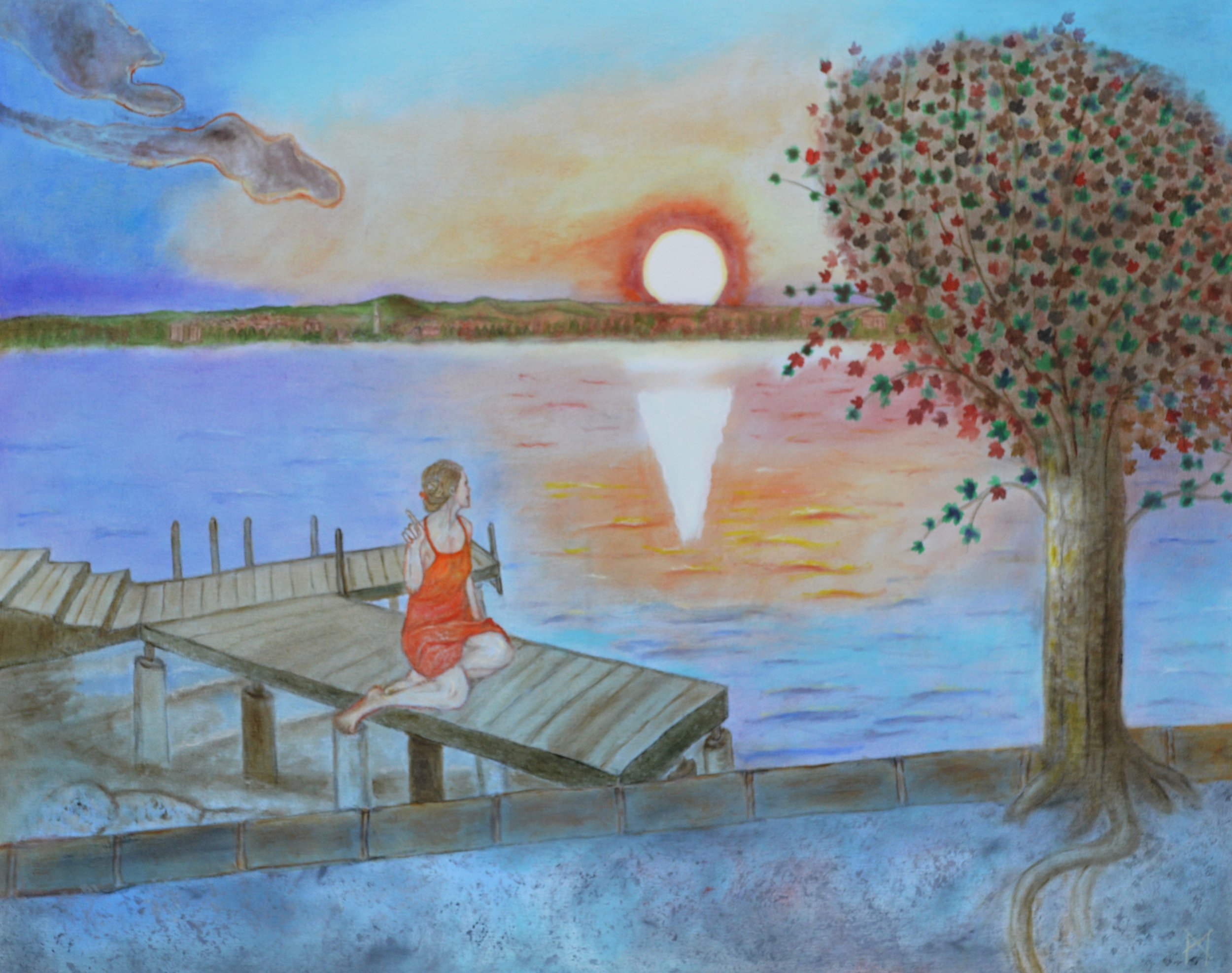
Margaretha Gubernale
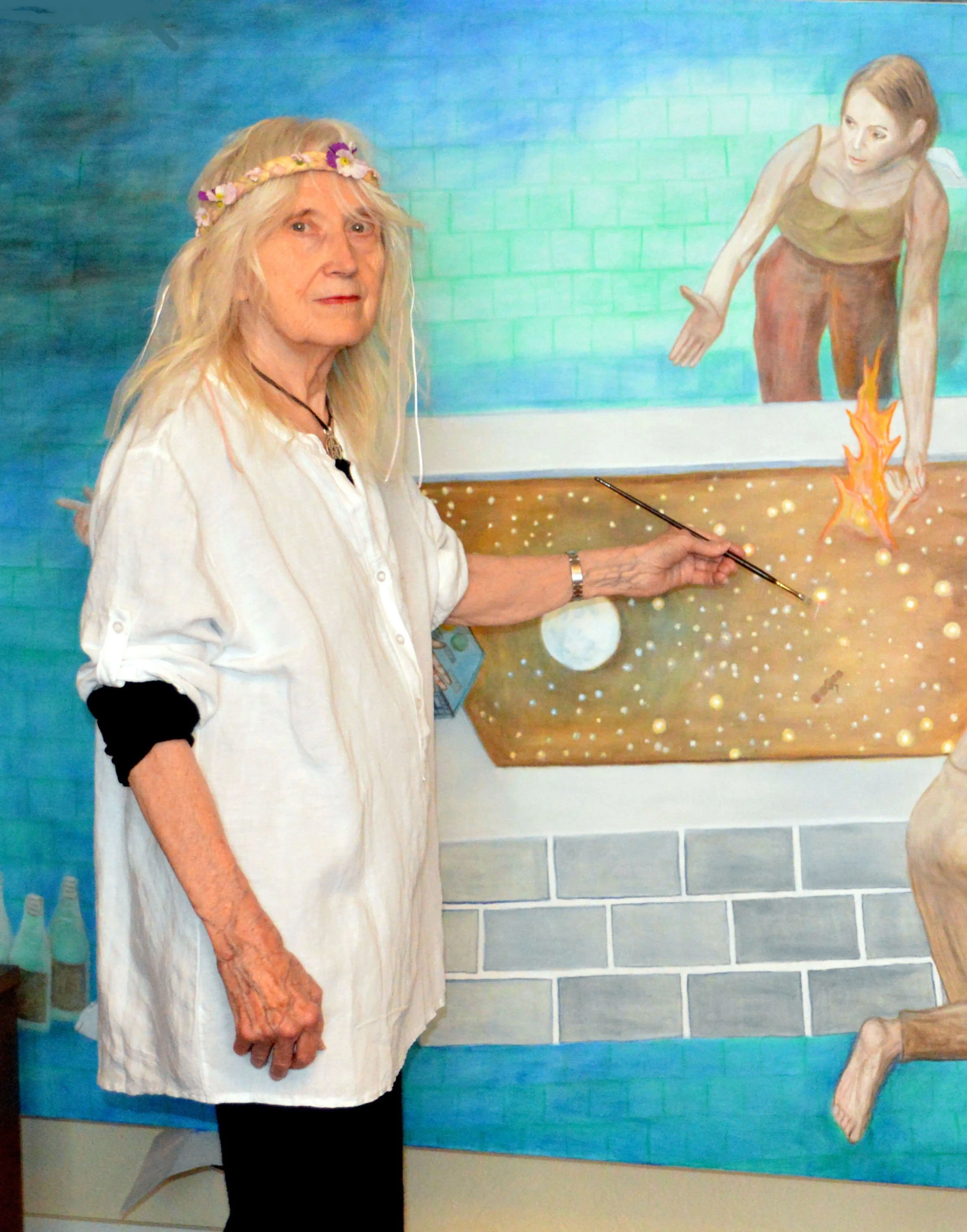
Biography
Margaretha Gubernale was born on 9 June 1941 in Zug, Switzerland, where she continues to live and work at Atelier Edera. Over the course of several decades, she has developed an artistic practice distinguished by its sustained engagement with symbolism, metaphysical inquiry, philosophy, and the natural world.
Working primarily in oil on canvas, while also employing acrylic and pencil, she has pursued an approach that seeks to unite the visible and the invisible, the material and the spiritual, through a pictorial language that combines figurative representation with symbolic, abstract, and surrealistic elements. Throughout her career, this search for an appropriate visual language has remained central to her work, resulting in a coherent artistic philosophy that has informed both her creative practice and her international exhibition history.
Although entirely self-taught, Gubernale's artistic development emerged from a lifelong process of observation, reflection, and disciplined independent study rather than formal academic instruction. Her earliest experiences reveal an instinctive sensitivity to beauty that would later become fundamental to her work.
Among her formative childhood memories is watching her father, a master confectioner, decorate elaborate cakes with precision and care. Observing this combination of craftsmanship, imagination, and aesthetic refinement introduced her to the possibilities of artistic creation long before she began painting herself. Rather than describing this experience merely as a technical influence, it represented an early encounter with the transformation of ordinary materials into objects of beauty.
Another defining childhood memory illustrates an equally enduring aspect of her artistic outlook: a profound concern for justice and an intuitive respect for nature. At approximately four years of age, while admiring a small bouquet of chickweed flowers that she had gathered, she encountered an adult who dismissed the delicate plants as weeds that should be destroyed. Her spontaneous defence of their beauty left a lasting impression and became, in retrospect, emblematic of a worldview that consistently values overlooked forms of life and finds meaning where others may not.
This early episode reflects a sensibility that later matured into an artistic philosophy grounded in observation, ethical reflection, and reverence for the natural world.
Books, poetry, classical music, and time spent with her grandparents during childhood holidays likewise contributed to her intellectual and imaginative formation. Rather than functioning as isolated interests, these experiences gradually became interconnected sources of inspiration that continue to inform her practice. Literature encouraged philosophical inquiry, music nurtured an understanding of rhythm and emotional resonance, while nature became both subject and teacher.
Throughout her career, she has repeatedly described nature as one of her principal sources of knowledge, regarding it not simply as a physical environment but as evidence of a deeper spiritual reality that reveals itself through attentive observation.
Two examples:
The picture "Maintain the Forest" says that the forest must be cared for and preserved. It is a precious resource that stores water, protects slopes from slipping, provides wood for the cold winter, serves as a raw material for beautiful furniture that refines the design of rooms, and provides the raw material for musical instruments and much more. Trees are the first inhabitants of the Earth.
The picture “Declaration Day of the Angular Moon” seeks to point out that, despite progress in space, we remain connected to the umbilical cord of the Earth, and everything that is parked out there remains only for the moment. While the last ear of corn on Earth dies and has been transported to the Moon in a vase as a souvenir, they dig the Moon for mineral resources, chisel its surface, and leave their debris everywhere along the way, without accepting that the basic shape of the stars remains round and the basic colours of light remain.
Artist Statement
Central to my artistic development has been my search for a mode of representation capable of communicating complex philosophical ideas to a broad audience.
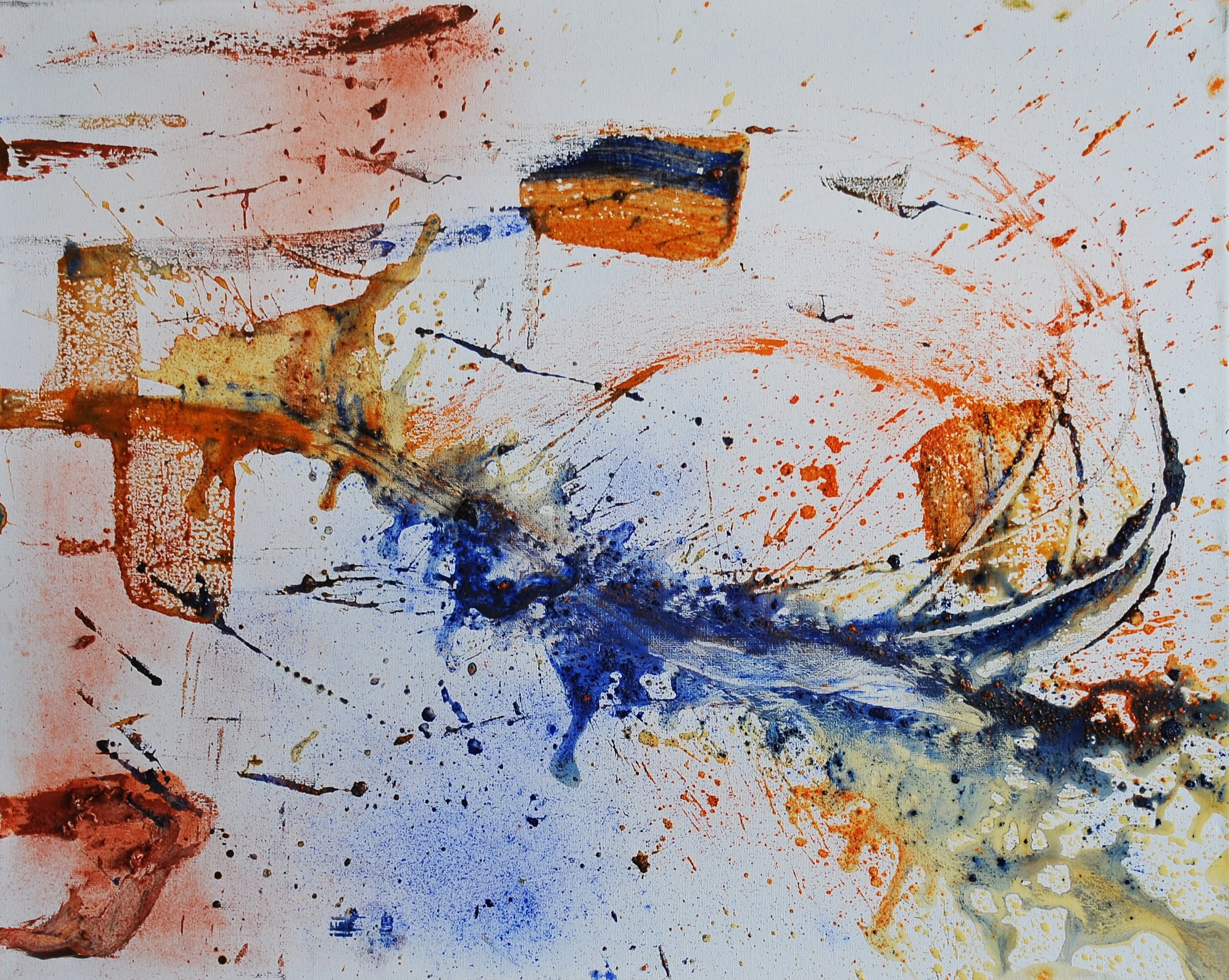
In reflecting upon my earliest works, I have explained that I became dissatisfied with the limitations of both purely figurative and purely abstract painting. Figurative representation offered clarity but appeared unable to encompass the full range of metaphysical thought that interested me. Conversely, abstraction granted expressive freedom yet often left meaning entirely dependent upon the viewer's subjective interpretation.
I famously illustrated this dilemma by observing that an abstract image could suggest equally unrelated associations, "Christ and salami," depending solely upon the observer's imagination. Such ambiguity did not satisfy my desire to communicate specific philosophical ideas.
Surrealism initially appeared to offer a possible solution. Its capacity to transcend ordinary reality resonated with my growing interest in spiritual and metaphysical subjects. Yet I ultimately concluded that surrealism alone could not fully express the relationship between visible reality and transcendent meaning that I sought.
My search eventually led me toward symbolism, which I recognised as a language capable of preserving recognisable forms while simultaneously extending their significance beyond literal representation. Through symbolic imagery, I discovered a means of constructing visual parables in which figurative, abstract, and surrealistic elements coexist within a unified pictorial structure.
This symbolic language became the defining characteristic of my mature artistic practice. Rather than presenting narrative scenes with fixed interpretations, my paintings invite viewers into metaphysical reflections that extend beyond the depicted image itself. Figures, animals, landscapes, colours, and technical motifs function simultaneously as concrete forms and symbolic carriers of broader philosophical ideas.
By employing allegory rather than direct illustration, I seek to remove limitations imposed by conventional storytelling, allowing each painting to operate on multiple intellectual and emotional levels.
For me, symbolism does not represent an aesthetic preference alone but constitutes an ethical and philosophical method of communication. I have repeatedly described my ambition to reach every thinking person through colour and form, provided the viewer is willing to connect earthly existence with what I term the spiritual heaven and to allow ethical considerations to guide interpretation.
In this respect, symbolism becomes a means of bridging visible and invisible realities rather than merely decorating narrative content with metaphor.
Nature occupies a foundational position within this philosophy.
This KI Meta Facebook ALSO don't let me go in socials.
Website: www.margarethagubernale.org
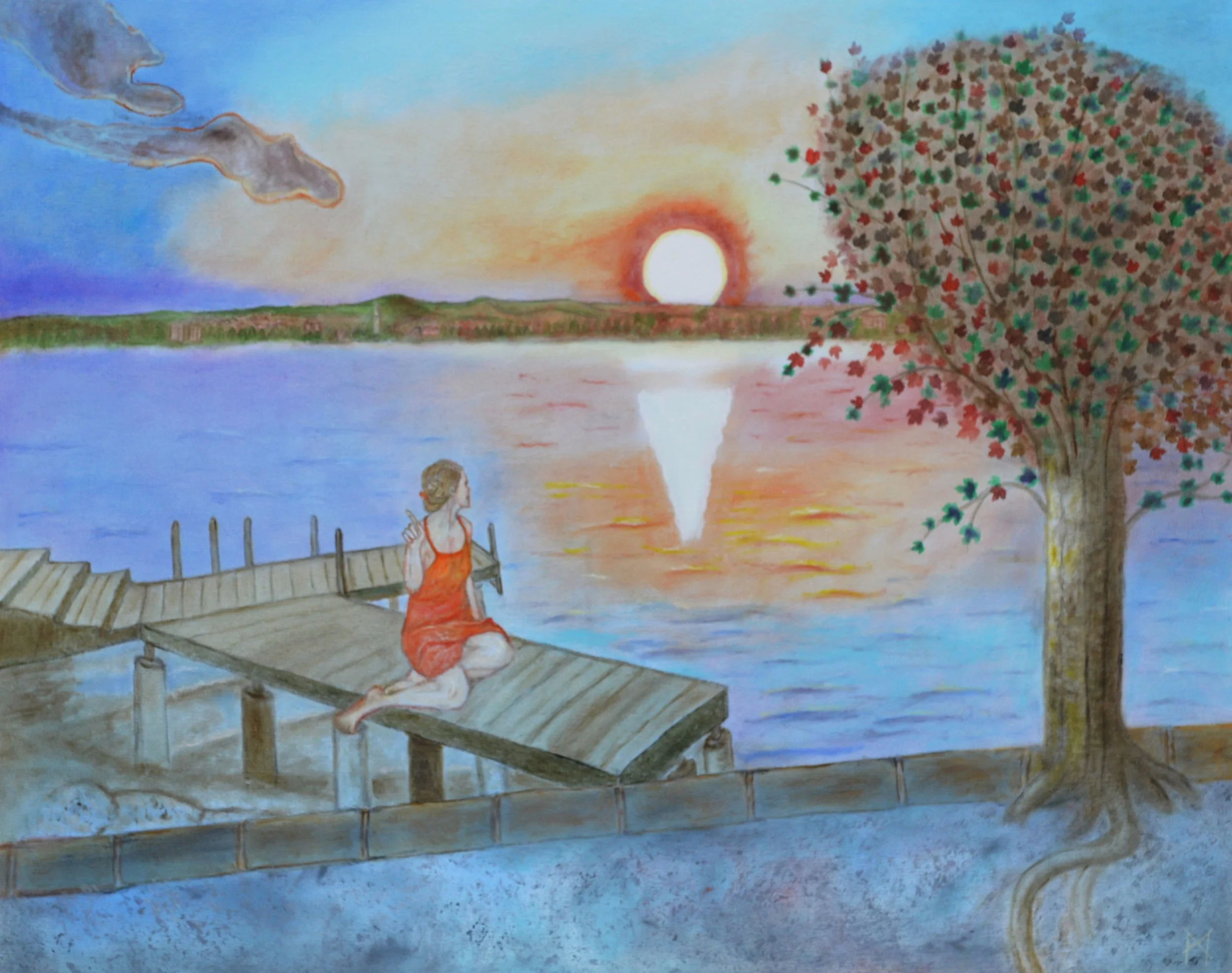
Tomorrow up, to the Mountain of Zug, 2026, oil on canvas, 2026, 100 cm x 100 cm 2026
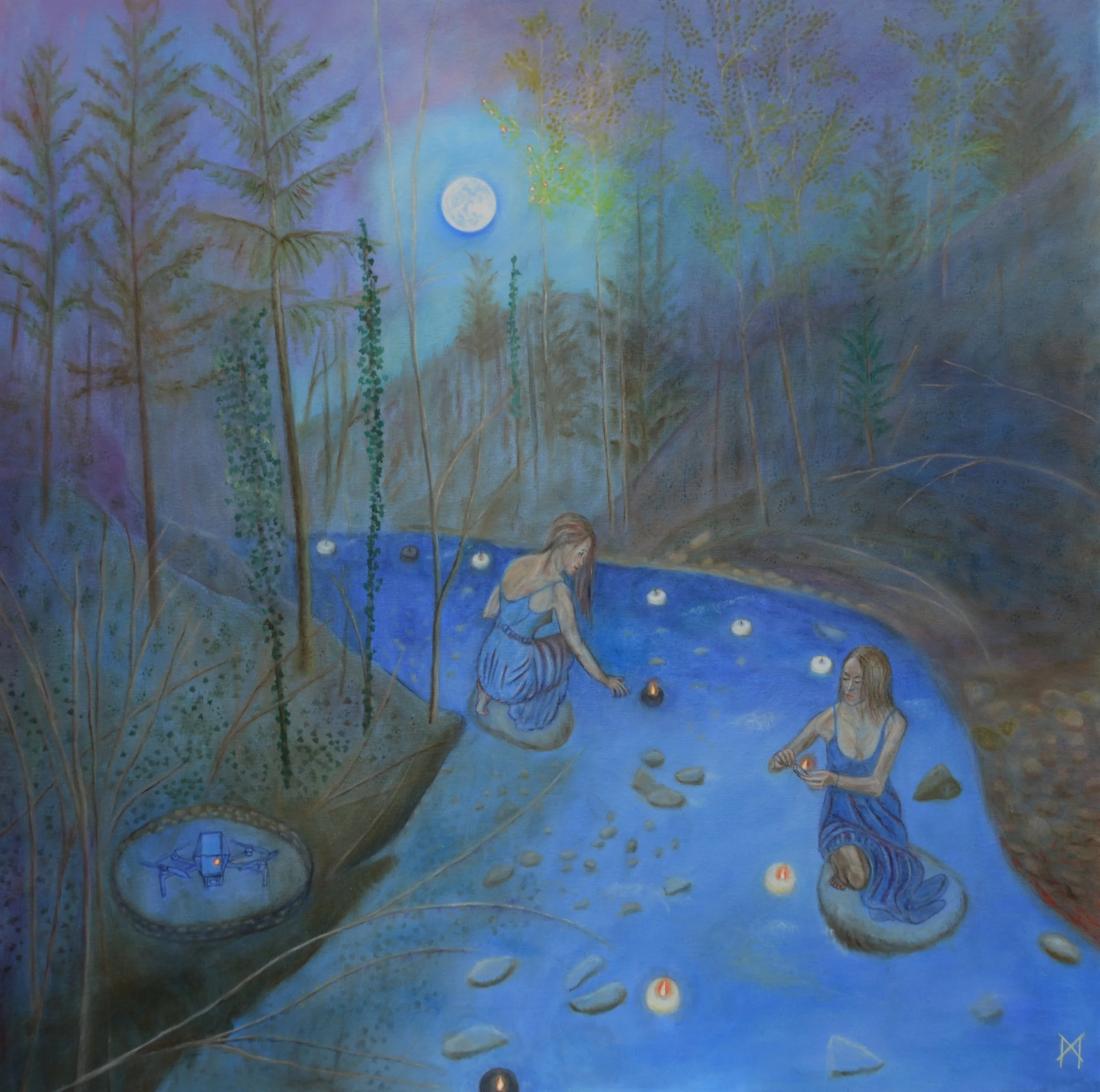
Now, 2023, oil on canvas, 100 cmx 100 cm
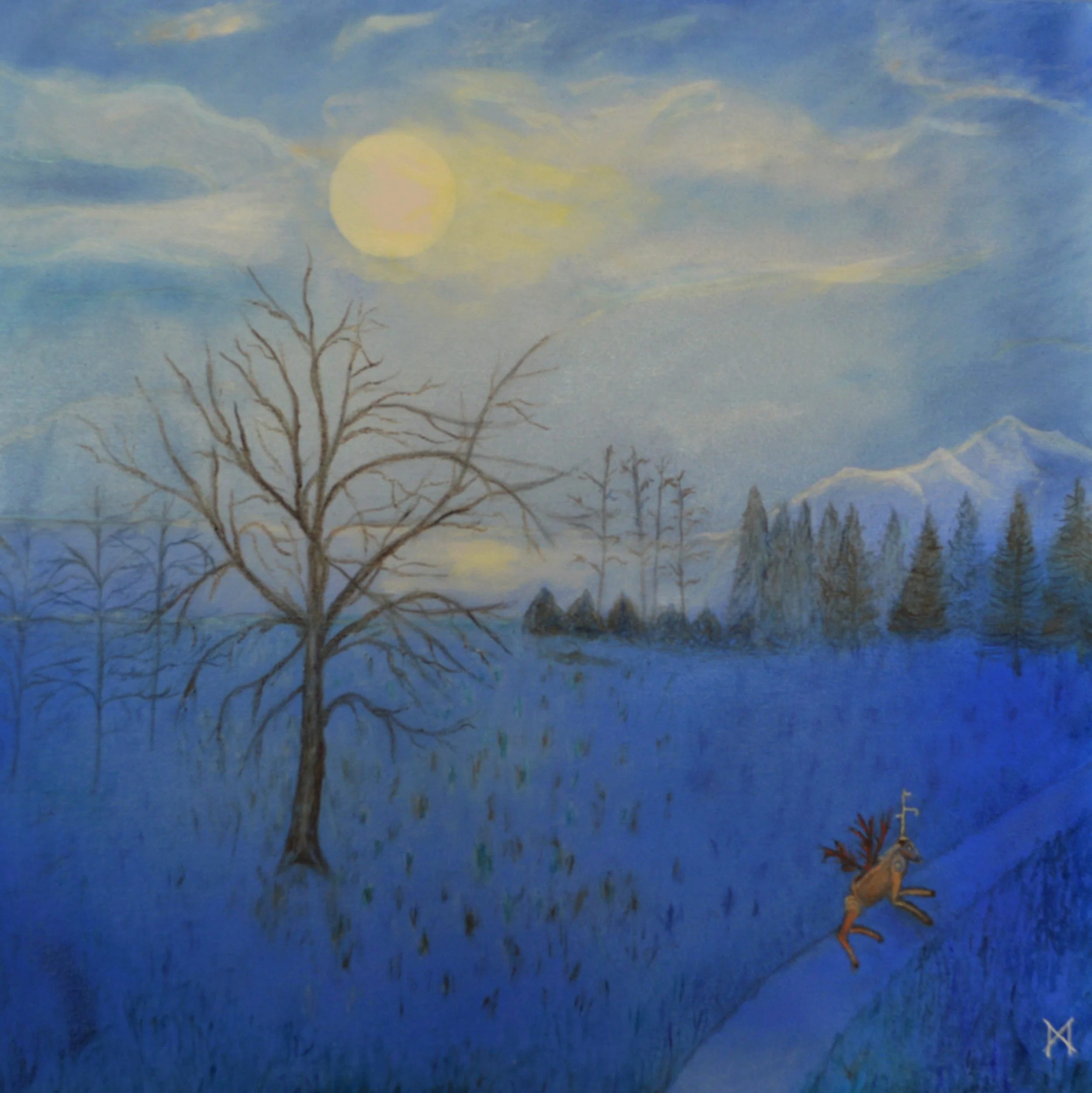
Height of Trees, 2026, oil on canvas, 60 cm x 60 cm
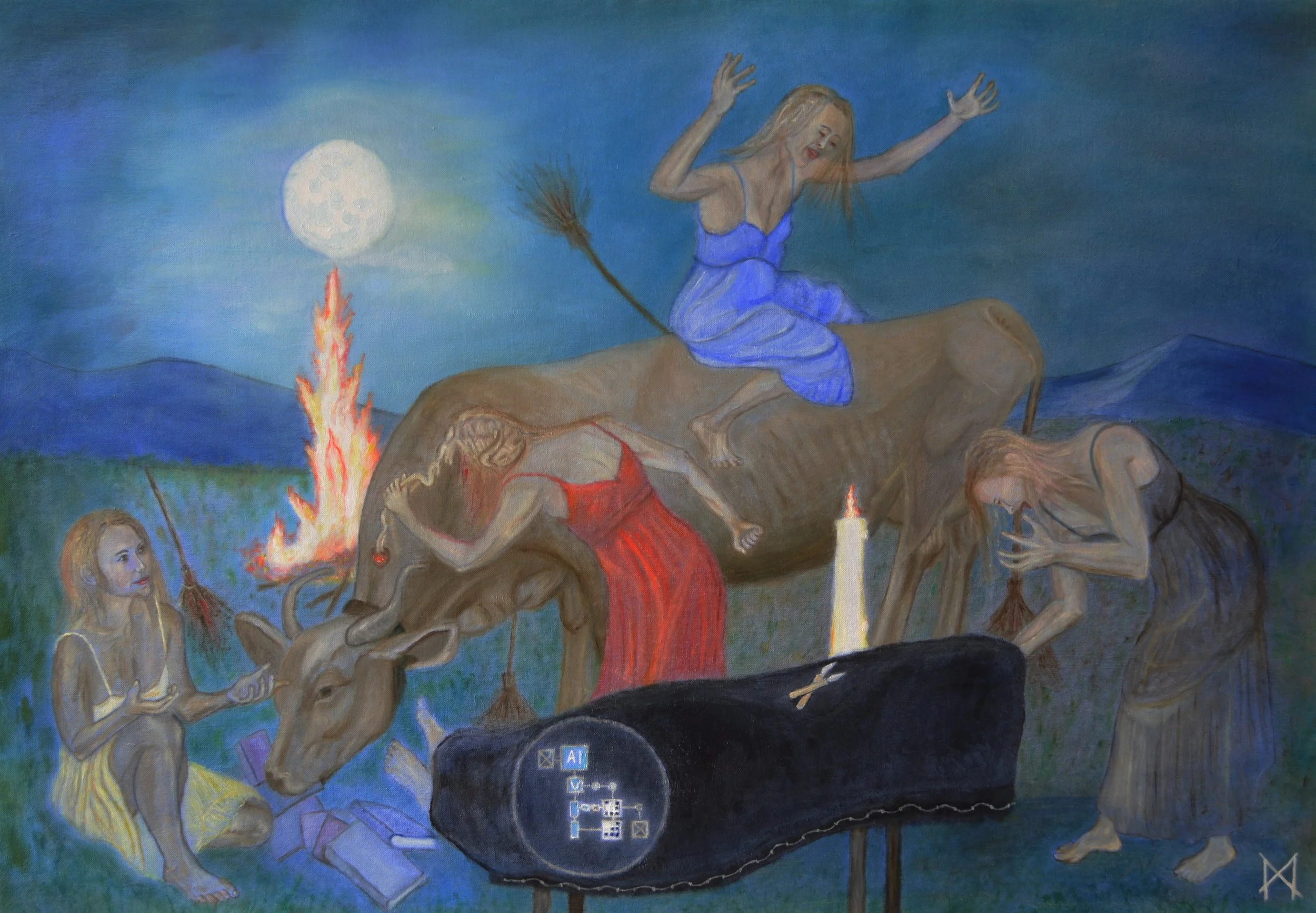
The Sorcerer's Apprentice, 2024, oil on canvas, 80 cm x 100 cm
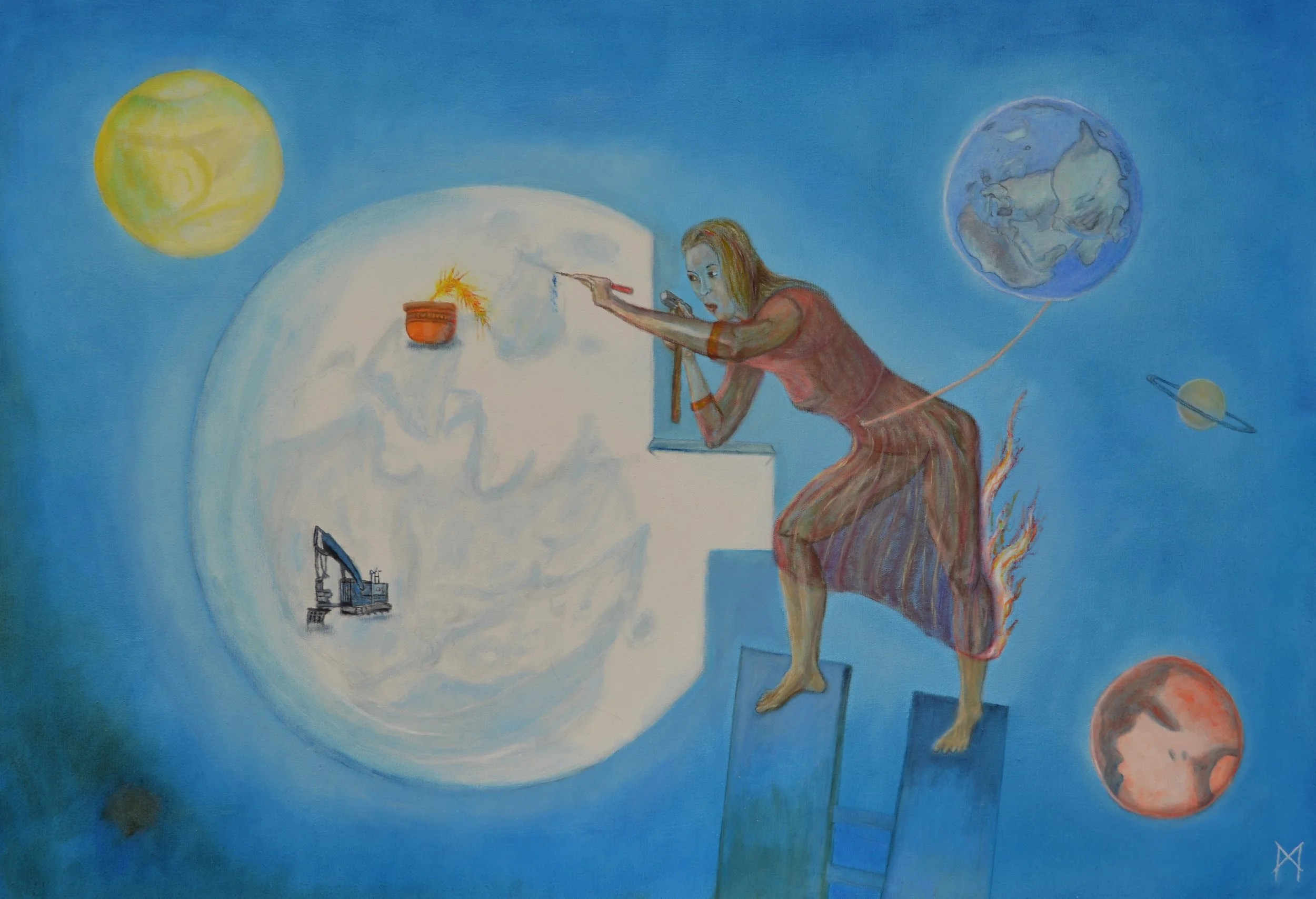
Declaration Day of angular Moon, 2025, 70 cm x 100 cm
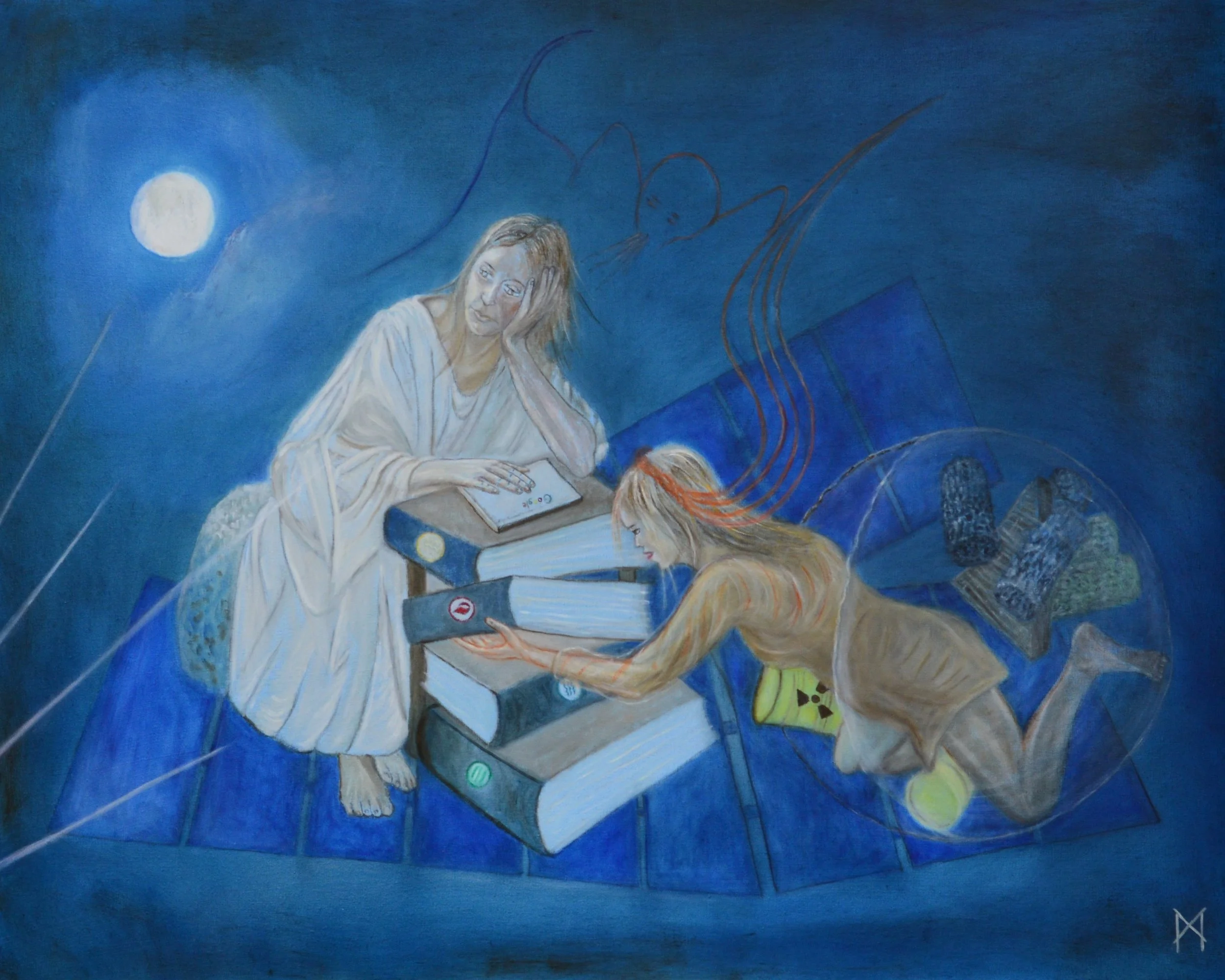
Fausta thinks Humility, 2019, oil on canvas, 80 cm x 100 cm

The Dance for a Subscription, 2024, oil on canvas, 60 cm x 60cm
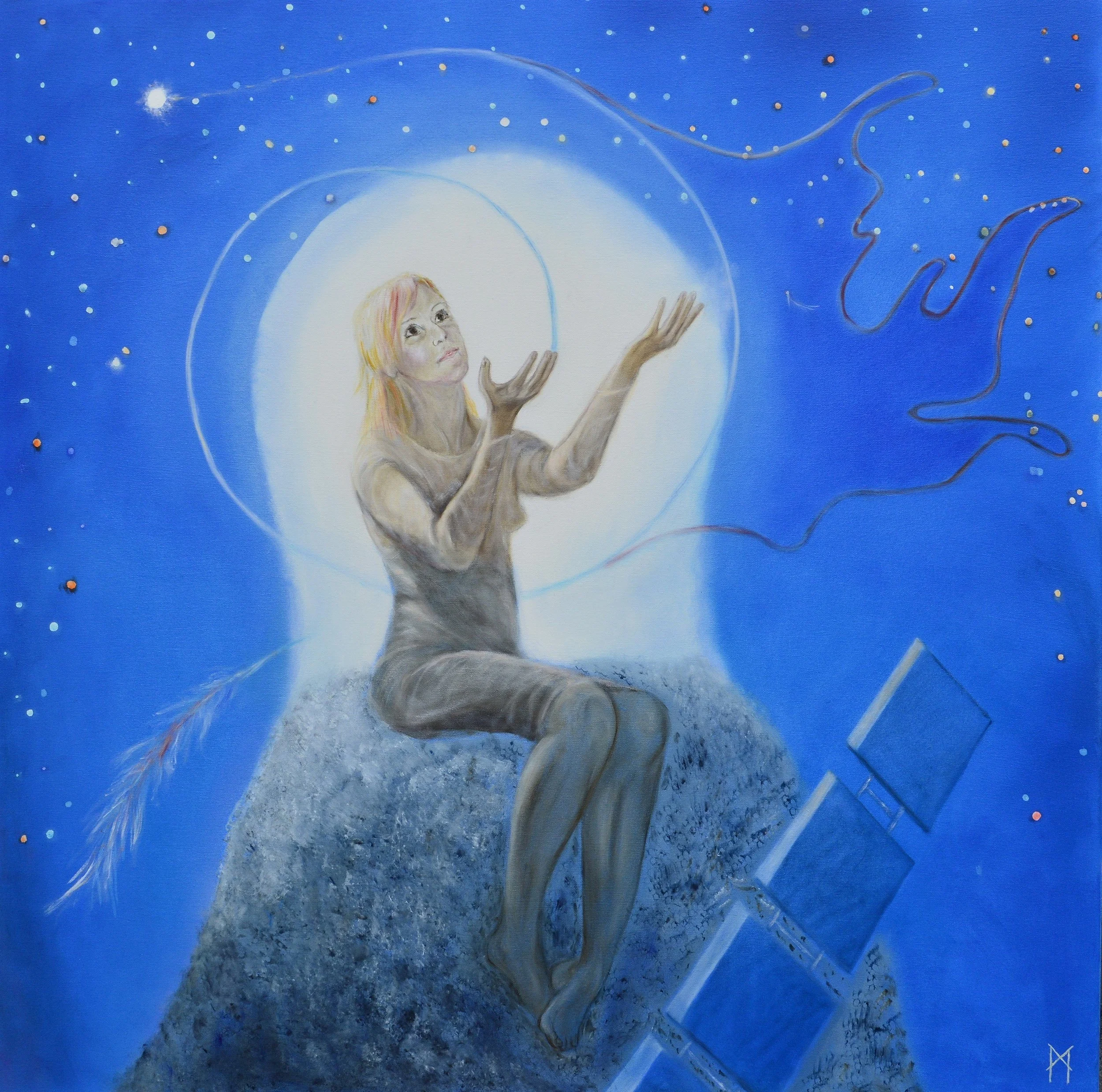
The Spiral of Backward- and Forwardspeed, 100 cm x 100 cm
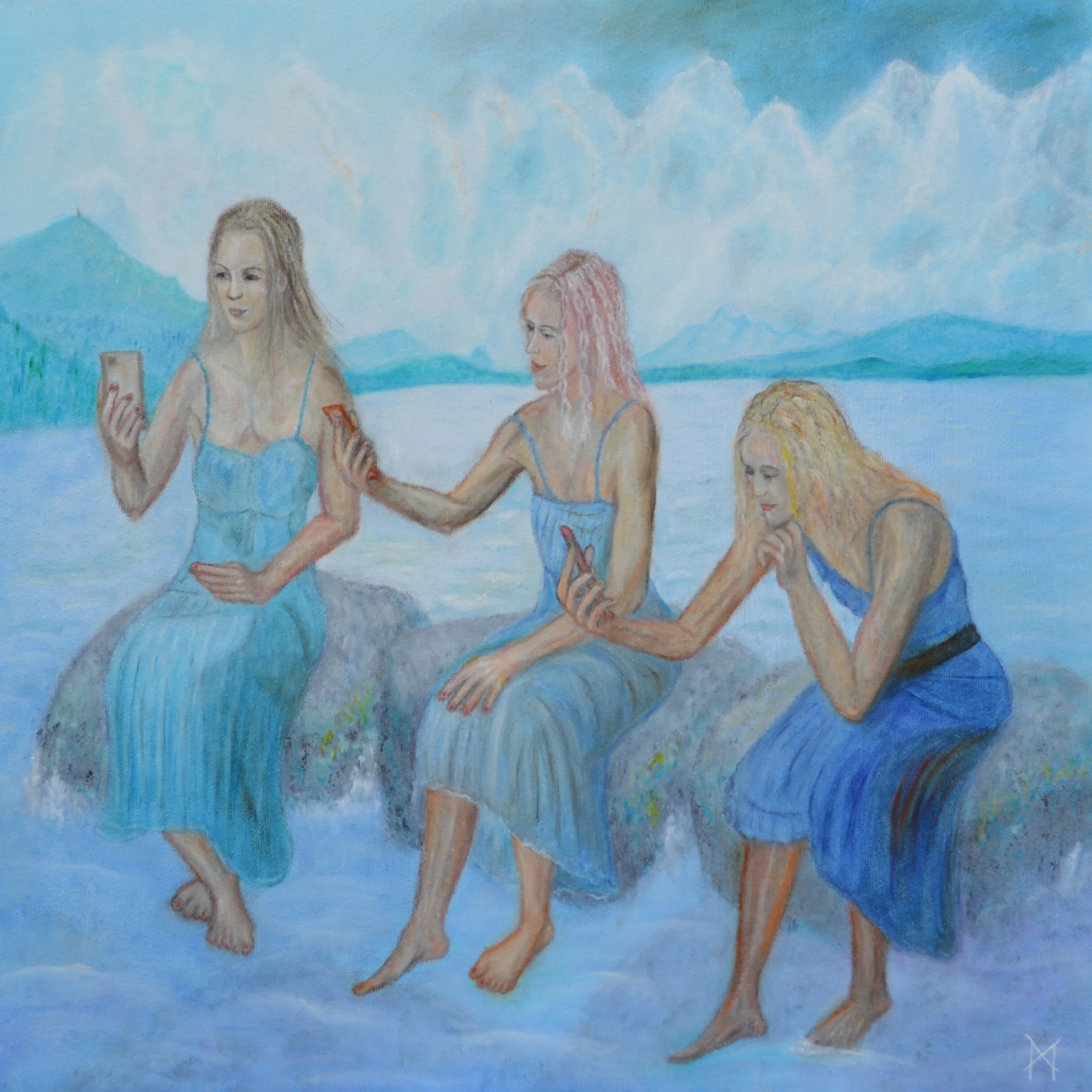
Three Grazie, 2023, oil on canvas, 60 cm x 60 cm
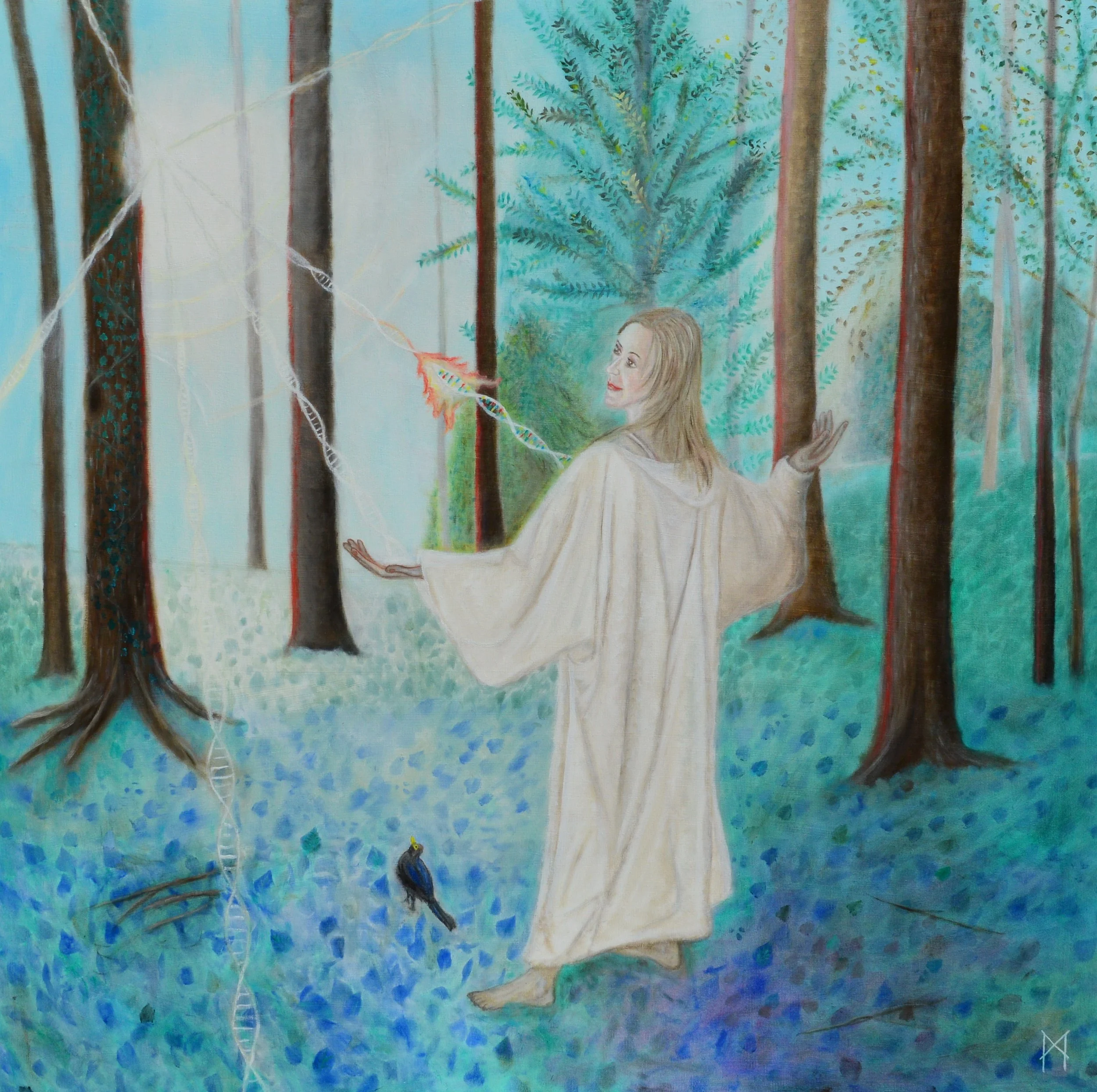
The Widening, 2021, oil on canvas, 100 cm x 100 cm